
NASS Resumes with Heavy Agenda: 2026 Budget, State Police Debate, Defections Take Centre Stage
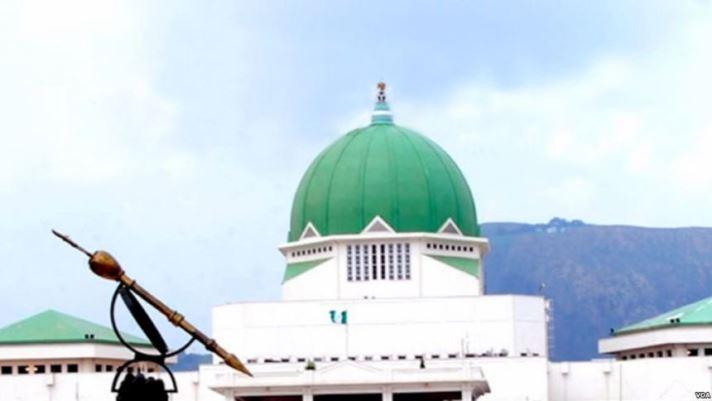
Abuja, Nigeria
Members of the National Assembly are set to resume plenary on Tuesday following the Eid break, returning to an intensive legislative schedule dominated by the passage of the 2026 Appropriation Bill, renewed deliberations on state police, and a surge in political defections ahead of the 2027 elections.
The resumption follows weeks of extended budget defence sessions, during which plenary sittings were adjusted to allow committees engage extensively with Ministries, Departments, and Agencies (MDAs) on the details of the proposed fiscal plan.
At the forefront of legislative priorities is the 2026 budget, which has remained before the Assembly after undergoing rigorous scrutiny. With most committee-level reviews now concluded, lawmakers are expected to accelerate harmonisation and final passage of the bill in line with efforts to maintain the January–December budget cycle.
Sources within the Assembly indicate that leadership in both chambers is determined to avoid further delays, particularly given prevailing economic pressures and expectations surrounding the implementation of capital projects.
State Police Debate Gains Momentum
Beyond fiscal matters, constitutional reform, especially the push for state policing, is expected to dominate discussions.
The issue has gained urgency amid worsening insecurity across parts of the country, including recent attacks affecting both security personnel and civilians, particularly in northern Nigeria.
President Bola Ahmed Tinubu has repeatedly advocated legislative backing for the creation of state police, urging lawmakers to review existing laws to enable sub-national policing structures as part of broader security reforms.
Within the National Assembly, committees reviewing the 1999 Constitution are already examining proposals aimed at decentralising policing while embedding safeguards against abuse. The Nigeria Police Force has also submitted a comprehensive proposal, indicating growing institutional support for the initiative.
However, analysts note that debates are likely to focus on longstanding concerns such as political misuse, funding mechanisms, and operational control, which have historically stalled similar proposals.
The Senate Leader, Opeyemi Bamidele, confirmed that work is ongoing to develop a decentralised policing framework that prioritises accountability and safeguards against abuse.
According to him, President Tinubu has consistently supported the initiative as part of efforts to protect lives, property, and critical infrastructure nationwide.
Bamidele explained that the proposed model aims to devolve policing authority to sub-national entities while ensuring effective governance, even in remote areas.
He added that the framework would include robust accountability measures, strengthen the justice system, discourage impunity, and uphold fundamental human rights in line with global best practices.
Defections, Political Realignments to Shape Proceedings
Another key issue expected to influence legislative activities is the increasing wave of political defections within the National Assembly, driven by shifting alliances ahead of the 2027 general elections.
Recent developments within opposition circles, including emerging coalition talks around platforms such as the African Democratic Congress (ADC), have heightened speculation about potential high-profile defections among lawmakers.
This trend has already begun to alter party configurations in both chambers, raising concerns among observers about its implications for legislative independence and policy consistency.
Some analysts warn that frequent cross-carpeting could weaken opposition oversight and tilt the balance of power further in favour of the ruling party, potentially affecting the quality of legislative debate on critical national issues.
Security, Economic Reforms Add Pressure
The resumption also comes amid heightened national security challenges and ongoing economic reforms, both of which are expected to demand legislative attention.
Issues ranging from mass abductions and insurgency to communal clashes continue to dominate the national conversation, increasing pressure on lawmakers to deliver effective legal and policy responses.
At the same time, fiscal and tax reforms introduced by the executive arm of government will require legislative backing and oversight, further expanding the Assembly’s workload.
As plenary activities resume, the interplay between governance priorities and political manoeuvring is expected to shape proceedings. While the 2026 budget and state police proposals offer opportunities for decisive legislative action, the growing wave of defections and political realignments could complicate consensus-building within the Assembly.