
Tinubu Approves ₦3.3 Trillion Plan to Clear Power Sector Debts, Boost Electricity Supply Nationwide
President Bola Tinubu has approved a ₦3.3 trillion debt settlement plan to address long-standing liabilities in Nigeria’s power sector and improve electricity supply.
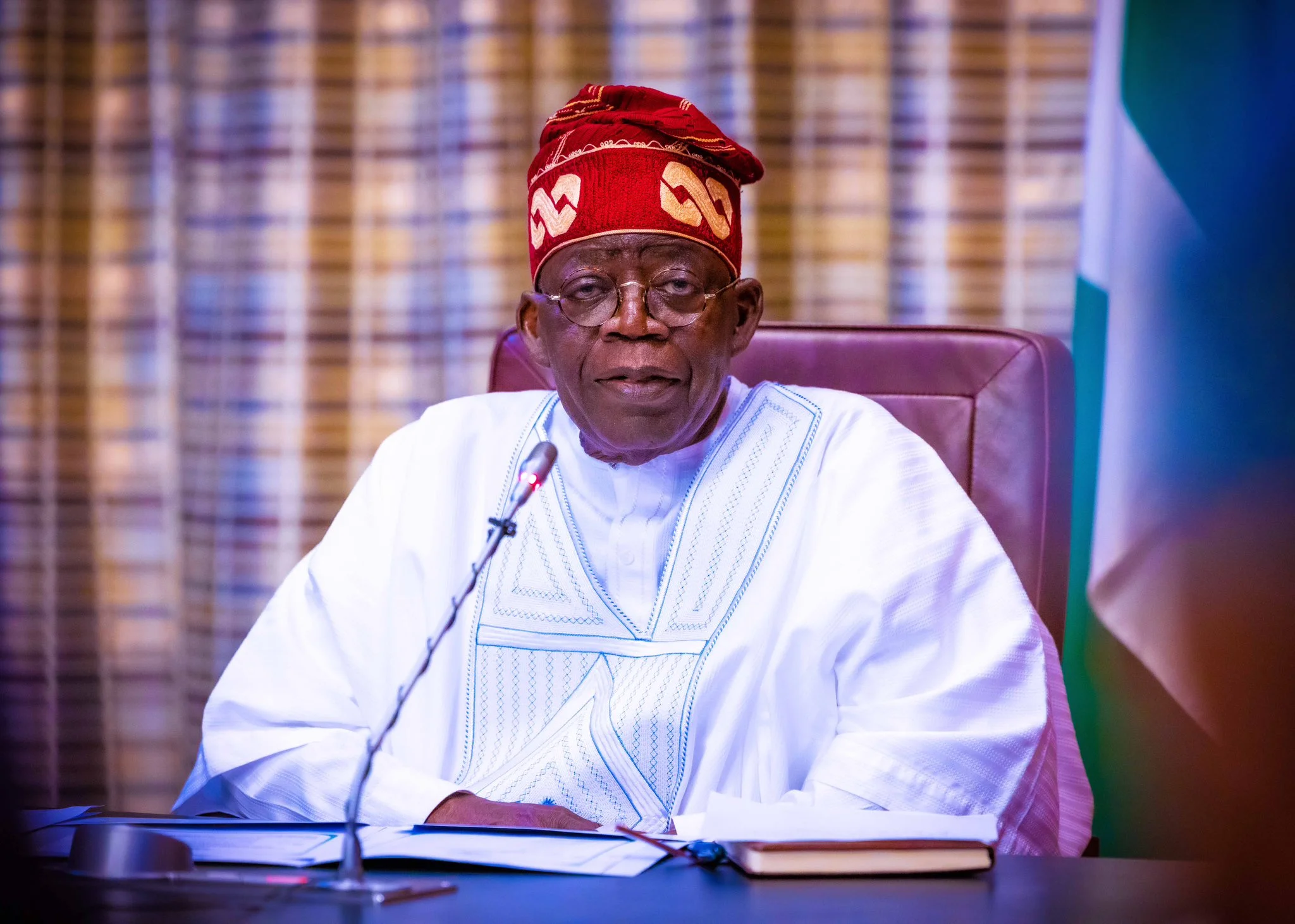
ABUJA
President Bola Ahmed Tinubu has approved a ₦3.3 trillion financial intervention to settle accumulated debts in Nigeria’s power sector, in a move aimed at restoring stability and improving electricity supply across the country.
The initiative, part of the Presidential Power Sector Financial Reforms Programme, targets liabilities accrued over a ten-year period spanning February 2015 to March 2025.
Details of the plan were outlined in a statement issued by the President’s Special Adviser on Information and Strategy, Bayo Onanuga, who described the figure as the outcome of a detailed verification process to ensure accuracy, transparency, and finality.
Implementation Underway
According to the presidency, implementation of the settlement has commenced, with 15 electricity generation companies already entering into agreements valued at about ₦2.3 trillion.
The Federal Government has so far mobilised ₦501 billion to fund the programme, out of which ₦223 billion has been paid out, while further disbursements are ongoing.
Officials say the intervention is expected to ease longstanding liquidity challenges across the power value chain, particularly in generation and gas supply.
Restoring Confidence in the Sector
The President’s Special Adviser on Energy, Olu Arowolo-Verheijen, said the programme is designed not only to clear debts but also to rebuild confidence among investors and operators in the sector.
She noted that timely payments to gas suppliers and power generation companies would help sustain operations and reduce disruptions in electricity supply.
“This effort goes beyond settling outstanding obligations. It is about restoring trust, ensuring operational stability, and creating a more reliable electricity system,” she said.
Broader Reform Agenda
The debt settlement forms part of wider reforms being implemented by the administration to reposition the power sector.
These include improvements in metering infrastructure, enforcement of service-based tariffs, and policies aimed at aligning electricity pricing with supply quality.
Government officials say priority will be given to powering productive sectors of the economy, including industries, businesses, and small enterprises, to stimulate growth and job creation.
Outlook for Power Supply
Authorities believe that resolving the sector’s financial bottlenecks will enhance generation capacity and improve the reliability of electricity distribution to homes and businesses.
President Tinubu also acknowledged the contributions of stakeholders in advancing the reform process and confirmed that a second phase of the programme is expected to commence later in the year.