
SERAP Asks National Assembly to Release Records on ₦1.3bn PFIPC Allocation, Demands Investigation
SERAP has asked the National Assembly to disclose records relating to the ₦1.3 billion allocation to the Presidential Foreign Intervention Promotion Council (PFIPC) in the 2026 budget and investigate the controversial appropriation.
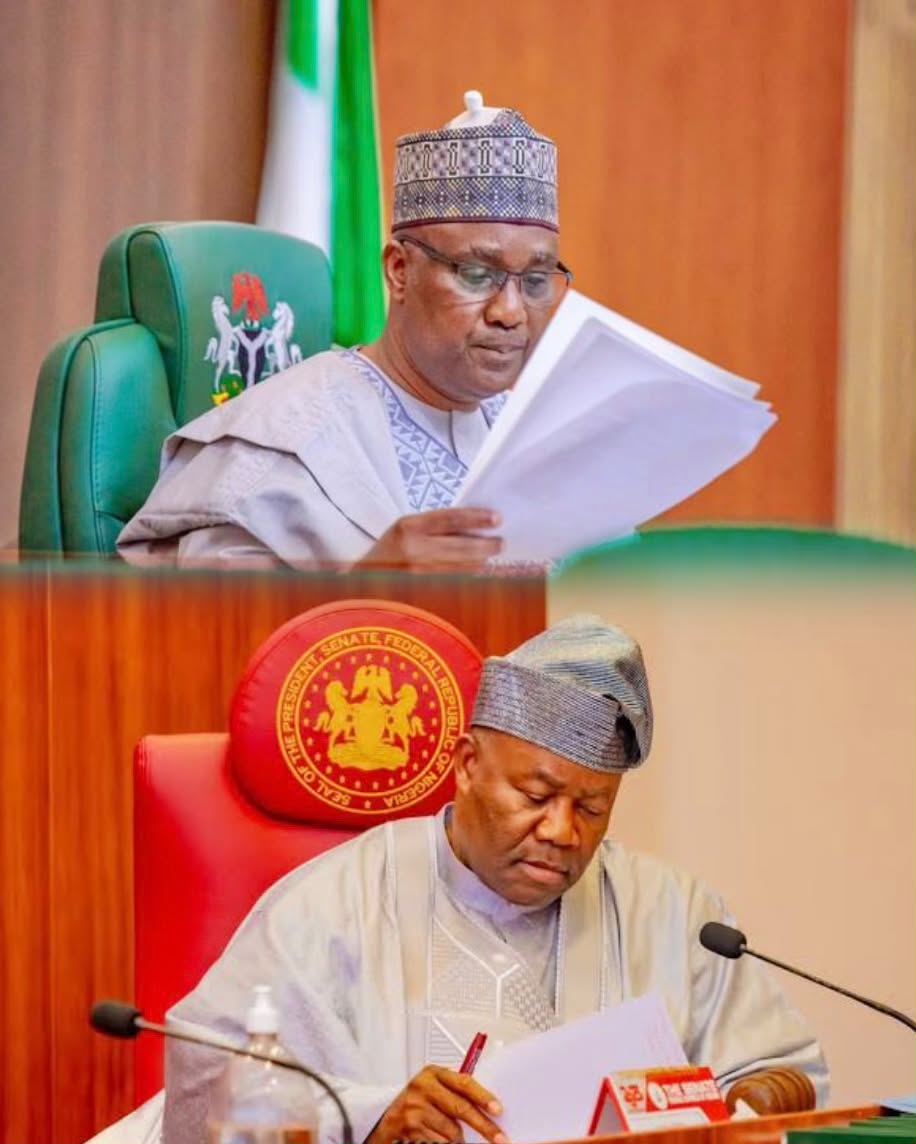
The Socio-Economic Rights and Accountability Project (SERAP) has called on the leadership of the National Assembly to release all documents relating to the approval of more than ₦1.3 billion allocated to the Presidential Foreign Intervention Promotion Council (PFIPC), also referenced as the Presidential Economic Advisory Council, in the 2026 Appropriation Act.
In a Freedom of Information (FoI) request dated July 4, 2026, SERAP urged Senate President Godswill Akpabio and Speaker of the House of Representatives Tajudeen Abbas to make public certified records detailing how the sum of ₦1,302,978,784 was considered and approved during the budget process.
The request, signed by SERAP’s Deputy Director, Kolawole Oluwadare, also called on the National Assembly to exercise its constitutional oversight powers by investigating the circumstances surrounding the controversial allocation.
According to the organisation, the legislature should identify individuals responsible for any irregularities and establish how funds were appropriated for an agency that the Presidency has publicly maintained does not exist.
SERAP further requested documents identifying the lawmakers and committees that handled the budget proposal, along with the public officials who defended the allocation before the National Assembly.
The rights group also wants lawmakers to clarify whether the budget provision originated from the Executive’s appropriation proposal or was introduced during the legislative review and amendment process.
The organisation argued that the conflicting narratives surrounding the existence of the PFIPC have raised serious concerns about the credibility of Nigeria’s budget process, legislative oversight, fiscal transparency, and public accountability.
According to SERAP, the National Assembly has a constitutional responsibility not only to approve government spending but also to subject every proposed expenditure to thorough scrutiny to ensure compliance with existing laws.
The organisation maintained that Nigerians deserve full disclosure on the circumstances surrounding the controversial allocation, stressing that access to the requested information would enable citizens to determine whether lawmakers discharged their constitutional oversight duties effectively.
The request follows growing public debate over the PFIPC after the Presidency denied the existence of the agency despite documents and budget records that appear to reference it.
The controversy has continued to generate questions about transparency in public finance management and the integrity of Nigeria’s appropriation process.