
Senate Crisis: Oshiomhole Calls for Akpabio’s Resignation Over Rule Amendment Controversy
Senator Adams Oshiomhole has called for the resignation of Senate President Godswill Akpabio over the amendment of Senate Standing Rules, describing the move as self-serving and damaging to legislative credibility.
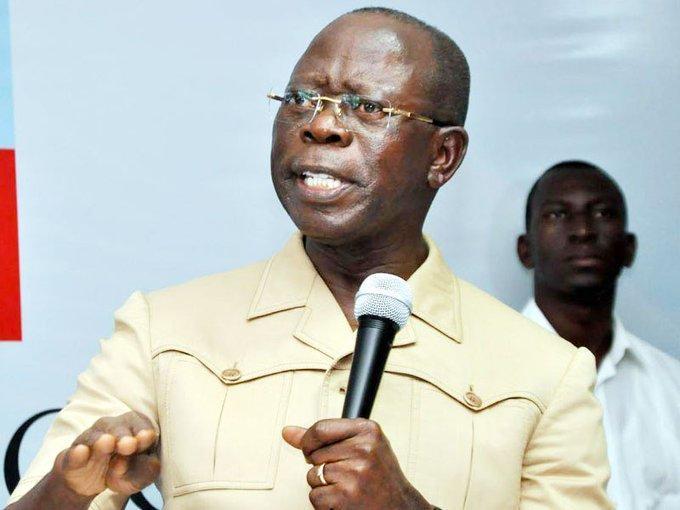
Senator representing Edo North and former National Chairman of the All Progressives Congress (APC), Adams Oshiomhole, has called on Senate President Godswill Akpabio to resign over the controversial amendment to the Senate Standing Rules governing eligibility for the office of Senate President.
Oshiomhole criticised the recent decision by the Senate to revise portions of its rules that previously limited eligibility for principal offices to ranking lawmakers with at least two terms in the upper chamber.
Reacting to the development, the former Edo State governor described the amendment as a politically motivated move capable of eroding public trust in the National Assembly.
He argued that altering legislative rules to accommodate perceived political interests sets a dangerous precedent and undermines the credibility of the institution.
According to Oshiomhole, leadership positions within the Senate should emerge through established democratic traditions rather than through sudden procedural changes designed to favour individuals or political blocs.
The lawmaker maintained that if the current Senate leadership was genuinely committed to transparency, accountability, and institutional integrity, Akpabio should step aside in the interest of fairness and public confidence.
The Senate had recently approved amendments to sections of its Standing Orders, effectively broadening eligibility criteria for the office of Senate President and other key leadership positions within the chamber.
The decision has continued to generate debate within political and legislative circles, with supporters insisting that the amendment promotes inclusiveness and widens participation among lawmakers, regardless of tenure.
However, critics argue that the move appears targeted at reshaping future leadership contests within the Senate ahead of emerging political alignments linked to the 2027 elections.
Political analysts believe the controversy could further deepen divisions within the upper legislative chamber as political actors intensify consultations and strategic positioning ahead of the next election cycle.
The development also comes amid growing conversations over internal democracy, institutional independence, and the influence of political interests on parliamentary procedures.