
Nigeria at 66: Abejide Urges Nigerians to Reflect, Recommit to Nation-Building
ABUJA
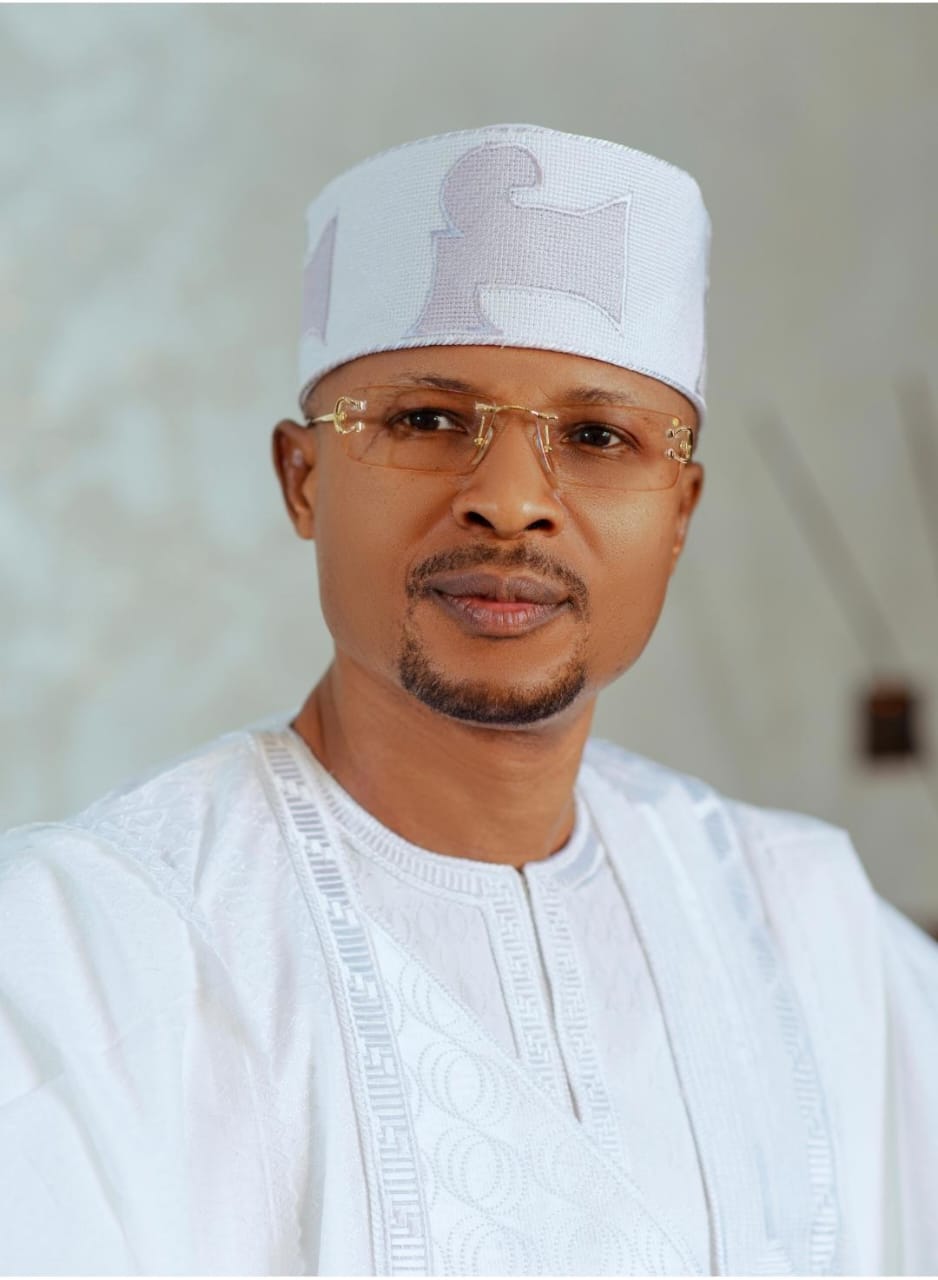
The member representing Yagba East, Yagba West and Mopamuro Federal Constituency of Kogi State in the House of Representatives, Rt. Hon. Leke Joseph Abejide, has urged Nigerians to use the country’s 66th Independence Anniversary to reflect on its journey as a nation and renew their commitment to building a more prosperous and united Nigeria.
Abejide, who is also Chairman of the House Committee on Customs and Excise, made the call in his Independence Day message, in which he described October 1 as a significant milestone in the nation’s history.
He acknowledged the political, economic and social challenges Nigeria has encountered since gaining independence in 1960, but noted that the country had also recorded significant progress despite the difficulties.
According to him, Nigeria’s post-independence journey has included periods of democratic governance and military intervention, as well as defining national events such as the Civil War and the June 12 political crisis, which tested the country’s unity and democratic development.
Abejide said the return to constitutional democracy in 1999 and its continuity since then remained important milestones in Nigeria’s political development.
He stressed the importance of constitutional governance and the effective functioning of the three arms of government—the Executive, Legislature and Judiciary—while underscoring the need to sustain citizens’ rights to freedom of expression and association and participation in public affairs.
The federal lawmaker said the Legislature had a particularly important responsibility in strengthening democracy through effective lawmaking, representation and oversight.
He added that sound legislation and appropriate policy frameworks remained critical to addressing the nation’s challenges and creating the conditions for sustainable development.
Reflecting on Nigeria’s 66-year journey, Abejide said the country had remained one indivisible nation despite several challenges that had tested its unity.
He acknowledged the economic difficulties confronting citizens but expressed optimism about efforts to stabilise the economy, stressing the need for stronger institutions and policies capable of promoting sustainable development and shared prosperity.
Abejide also expressed support for the economic transformation efforts of President Bola Ahmed Tinubu’s administration, assuring that the National Assembly remained committed to working with the Executive in the national interest.
The Federal Government is marking the 66th Independence Anniversary with the theme, “From Reforms to Stability: Consolidating Nigeria’s Renewed Hope for Shared Prosperity.”
Abejide urged Nigerians to approach the anniversary with renewed patriotism, unity and determination, stressing that the task of building a better country could not be left to government alone.
He said: “This anniversary provides an opportunity for us to reflect on our journey as a nation, assess where we are today and renew our determination to build the Nigeria of our dreams. Despite our challenges, we must not lose faith in our country or the possibilities that lie ahead.”
The lawmaker reiterated his confidence in the objectives of the Renewed Hope Agenda and pledged his continued commitment, as a legislator, to initiatives and policies aimed at advancing national development and collective prosperity.
Abejide also felicitated with President Bola Ahmed Tinubu, GCFR; the Speaker of the House of Representatives, Rt. Hon. Tajudeen Abbas; members of the 10th National Assembly; the Governor of Kogi State, Alhaji Ahmed Usman Ododo; and Nigerians at home and abroad.
He extended special greetings to the people of Kogi State, particularly the people of Yagba East, Yagba West and Mopamuro Federal Constituency, wishing Nigerians a peaceful and meaningful 66th Independence Anniversary.
Nigeria gained independence on October 1, 1960, while the 2026 anniversary also marks 27 years of uninterrupted constitutional democracy since the return to democratic rule in 1999.