
CBN Bars Loan Defaulters from Accessing New Credit Facilities from Banks
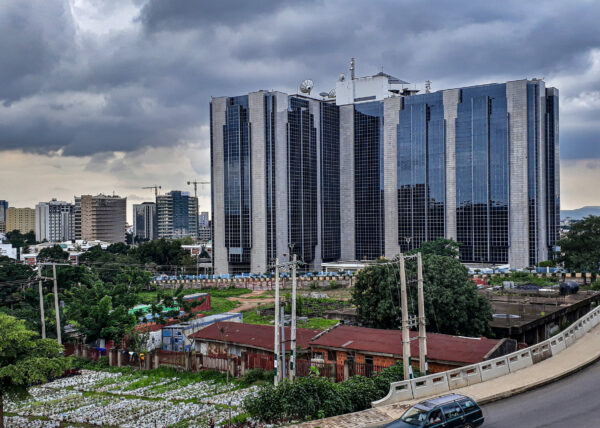
Abuja, Nigeria — The Central Bank of Nigeria (CBN) has directed commercial banks and other financial institutions to deny additional credit facilities to large borrowers whose existing loans have been classified as non-performing.
The directive, which takes immediate effect, was communicated to banks in a circular issued by the apex bank as part of measures to strengthen credit discipline and protect the stability of Nigeria’s financial system.
According to the CBN, any large-ticket obligor with a non-performing facility recorded in the Credit Risk Management System (CRMS) or any licensed private credit bureau will no longer be eligible to obtain further loans or other forms of direct credit from banks.
The restriction also covers a range of banking services often used in major financial transactions. These include bankers’ confirmations, letters of credit, performance bonds and advance payment guarantees.
Measure Targets Systemic Financial Risk
The regulator explained that the new policy is aimed at limiting the risks posed by borrowers whose loan defaults could threaten the stability of the banking sector.
Under Nigeria’s prudential banking guidelines, a large-ticket obligor refers to an individual or corporate borrower whose exposure to a bank amounts to at least 10 percent of the institution’s shareholders’ funds, or whose total borrowing across banks exceeds regulatory limits.
Such exposures, the CBN noted, could significantly affect a bank’s capital adequacy and therefore pose systemic risks if the borrower defaults.
Banks Directed to Strengthen Risk Controls
In addition to the credit restrictions, the apex bank advised financial institutions to ensure that existing loan exposures to affected borrowers are properly secured.
Banks were urged to obtain additional realisable collateral where necessary and rely on data from the CRMS and licensed credit bureaus when determining the credit status of borrowers.
The directive reinforces earlier regulatory measures aimed at reducing the level of bad loans in the banking system and encouraging responsible borrowing and lending practices.
Industry analysts say the move could improve transparency in the credit market while compelling large borrowers with existing debts to settle their obligations before seeking new financing.