
Why Foreign Observers Appear More Positive About Nigeria’s Reforms Than Citizens
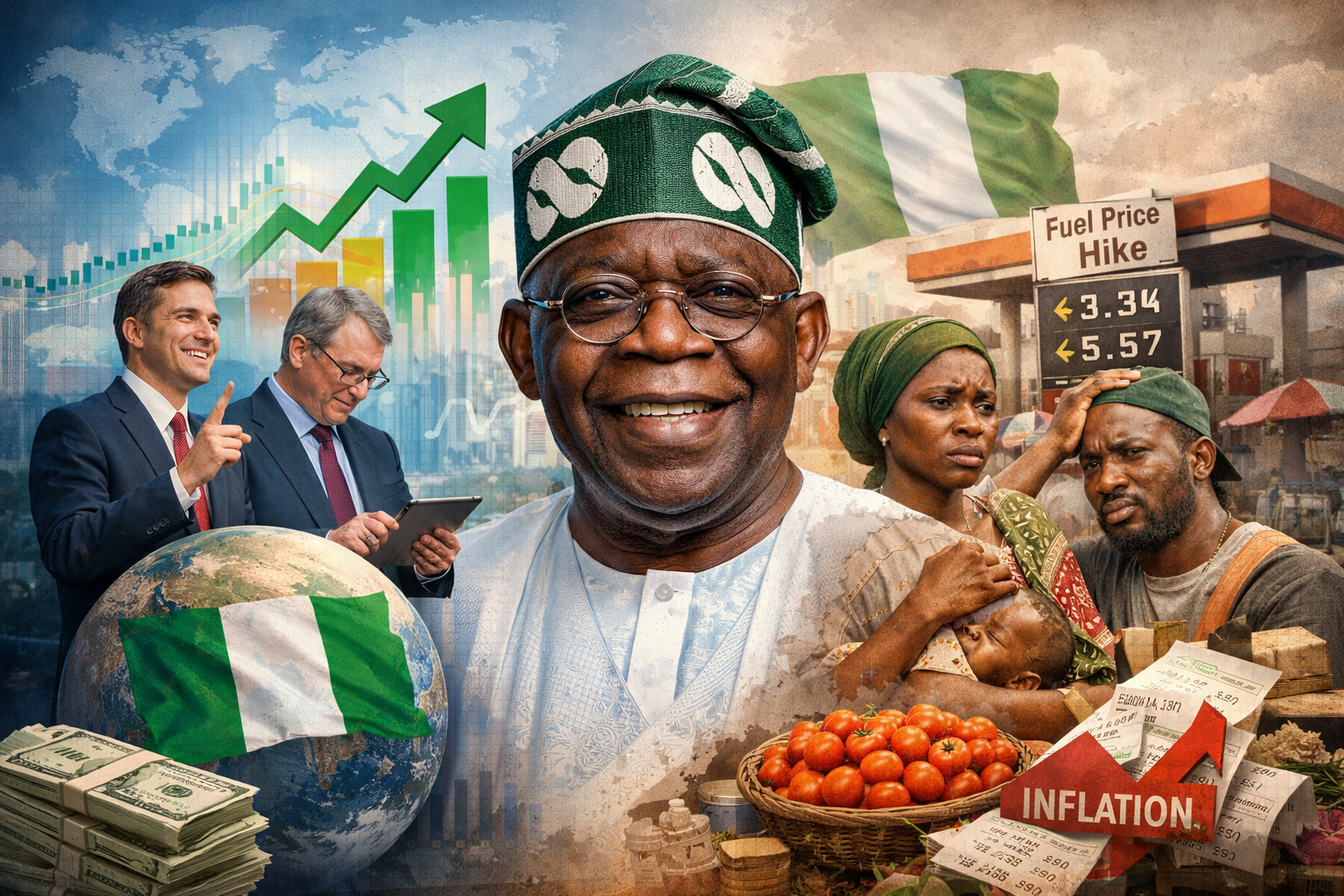
Nigeria — Public debate has intensified around why many international commentators and investors appear to view President Bola Ahmed Tinubu’s economic reforms more favourably than many Nigerians do at home, with analysts and observers offering contrasting perspectives on the reforms’ impact and pace. (reddit.com)
The discussion, which gained traction on social media platforms and online forums in mid‑2025, reflects a divergence between external perceptions of policy direction and domestic lived experience amid sweeping structural changes.
External Perspectives Focus on Macroeconomic Signals
A number of foreign analysts and investors have noted that the Tinubu administration’s major policy decisions — including fuel subsidy removal, foreign exchange unification and fiscal restructuring — are aligned with what many global economic institutions consider essential for long‑term stability. Supporters of this view describe these measures as necessary, if temporarily painful, adjustment tools that can reset Nigeria’s economic trajectory and attract investment. They point out that such reforms are often praised internationally because they address chronic fiscal imbalances and signal Nigeria’s willingness to align with global economic standards. (turn0reddit20)
This pattern is consistent with external recognition of policy shifts in areas such as upstream licensing reforms, enhanced regulatory clarity and broader fiscal realignment — areas that have drawn interest from international energy and finance stakeholders.
Domestic Experience Reflects Hardship and Uneven Benefits
In contrast, many Nigerians view the reforms through a different lens: one shaped by immediate hardship and rising cost of living. Critics argue that while the reforms may hold promise for macroeconomic stability over time, their short‑term effects have placed pressure on ordinary households, especially in the absence of robust social safety nets or visible improvements in basic living conditions.
For many Nigerians, the removal of subsidies and sharp adjustments in currency policy have translated into higher prices for essential goods and services, fueling frustration and undermining the sense that the reforms are improving daily life. This gap between expected future benefits and present economic strain is a common theme in domestic commentary.
A Broader Debate on Structural Change and Citizens’ Welfare
Some analysts warn that the difference in perspectives also stems from how the reforms are framed and experienced. International investors tend to assess policy through macro indicators such as fiscal discipline, foreign direct investment flows and regulatory reforms. Citizens, by contrast, focus on household effects, such as employment, price stability and access to basic services — areas where the effects of structural change can take longer to materialise.
This dynamic — where external observers acknowledge policy intentions while citizens grapple with immediate economic realities — is not unique to Nigeria, and historically surfaces in other reform contexts where governments undertake deep economic adjustments.
As the country approaches the 2027 electoral cycle, this debate underscores a central challenge for policymakers: ensuring that long‑term stabilisation strategies are accompanied by tangible improvements in living standards and inclusive growth.