
Tinubu Must Secure Second Term to Complete Ongoing Reforms, Says APC Leader
Abuja, Nigeria — A senior leader of the ruling All Progressives Congress (APC) has stated that President Bola Ahmed Tinubu needs a second term in office to consolidate key reforms and fully stabilise Nigeria’s economy and governance programmes, according to party officials and political supporters.
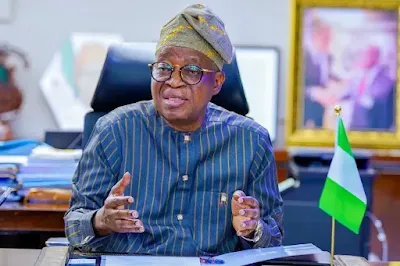
In a public address ahead of the 2027 general elections, the Minister of Marine and Blue Economy, Adegboyega Oyetola, emphasised that continuity in leadership will enable the administration to complete major infrastructure projects and deepen structural reforms initiated since May 2023.
Policy Continuity and Reform Agenda
Mr Oyetola noted that President Tinubu’s government has embarked on wide-ranging policy measures aimed at improving Nigeria’s fiscal foundations and economic performance, including fiscal and monetary reforms, enhanced revenue generation, and targeted investment in infrastructure. He argued that extending the President’s tenure would allow these efforts to achieve their full impact.
“A second term will enable the President to build on the progress made so far, complete critical national projects, and further stabilise the economy,” he said at a party event in Osun State, underscoring the importance of sustained leadership at a pivotal moment in the country’s development trajectory.
Oyetola pointed to ongoing investments in roads, rail links, port facilities and energy infrastructure as evidence of the administration’s focus on long-term growth, saying these initiatives require continuity to reach their potential and deliver broad-based benefits.
Political Context and the 2027 Elections
President Tinubu has indicated his intention to seek re-election in the 2027 presidential contest, which will mark the end of his first four-year term under Nigeria’s constitutional framework. Incumbent presidents may run for a second term, and the APC formally endorsed Tinubu as its candidate ahead of the electoral cycle, reflecting the party’s commitment to his leadership continuity.
Supporters maintain that a second term would allow for deeper structural reform, including efforts to stabilise inflation, attract investment, and improve national security — issues that have been central to the government’s agenda since 2023. Critics, however, argue that significant challenges remain in key sectors such as cost of living and security, and contend that political renewal should rest on measurable improvements in citizens’ welfare.
Broader Debate on Stability and Development
The call for a second term echoes a broader debate within Nigeria’s political class about balancing continuity and accountability. Proponents of Tinubu’s re-election contend that unfinished reforms and infrastructure ambitions warrant extended leadership, while opponents argue that electoral competition and policy outcomes should guide voter choice in 2027.
As the country prepares for the next electoral cycle, discussions around economic performance, national stability and effective governance will remain central to public discourse, influencing how Nigerians assess leadership credentials and national priorities.