
Atiku Criticises Swift Senate Approval of $6bn Loan, Warns of Rising Debt Risks
Former Vice President Atiku Abubakar has condemned the rapid approval of a $6 billion loan request by the Senate, warning of economic risks and questioning legislative oversight.
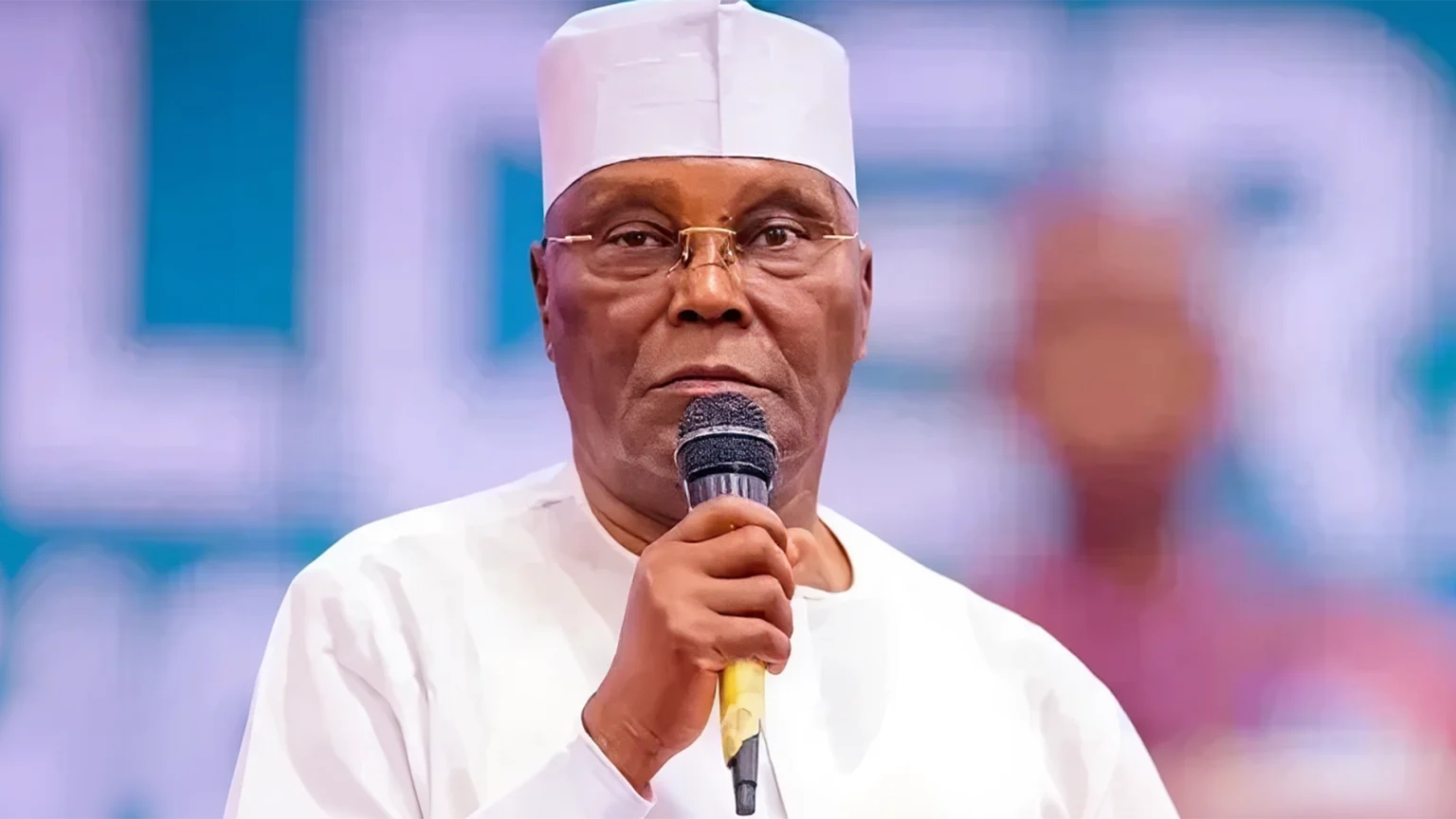
Former Vice President Atiku Abubakar has criticised the reported swift approval of a $6 billion external loan request by President Bola Ahmed Tinubu, describing the process as marked by “reckless urgency.”
Atiku, a prominent figure in the African Democratic Congress (ADC), raised concerns that the Senate reportedly approved the request in less than four hours after it was presented.
In a statement issued by his Senior Special Assistant on Public Communication, Phrank Shaibu, the former Vice President described the development as both troubling and alarming, citing its potential impact on Nigeria’s economic future.
He argued that decisions of such magnitude, which could significantly affect the economy and future generations, should not be handled with haste.
“What Nigerians have witnessed is not legislative diligence, but a disturbing erosion of oversight responsibility,” he said.
Atiku stressed that the National Assembly of Nigeria has a constitutional duty to thoroughly scrutinise executive proposals and safeguard public interest, rather than merely endorsing them.
“The Senate, which ought to serve as a constitutional safeguard, has instead reduced itself to a conveyor belt—processing requests of grave national consequence without due diligence,” he added.
He questioned the apparent lack of detailed debate and critical evaluation before the approval was granted.
“Where was the debate? Where was the rigorous analysis? Where was the accountability?” he queried.
The former Vice President warned that approving such a substantial borrowing request without visible scrutiny raises serious concerns about due process and legislative responsibility.
While acknowledging that borrowing can be necessary under certain circumstances, Atiku cautioned against what he described as an overdependence on debt to meet routine financial obligations.
“Resorting to fresh borrowing to service existing debts, plug budget gaps, and meet routine obligations is not a strategy—it is a dangerous cycle,” he said.
He cited data indicating a significant rise in Nigeria’s exposure to concessional loans from the International Development Association, placing the country among the largest beneficiaries globally.
Atiku also pointed to ongoing domestic borrowing through bond issuances, noting that the trend suggests a potentially unsustainable fiscal path.
According to him, the pattern raises broader concerns about long-term economic stability and the risk of excessive debt accumulation.
“Borrowing is not inherently wrong, but reckless borrowing, enabled by legislative complacency, is dangerous,” he stated.
He further warned that the speed of the approval signals a level of urgency that may undermine confidence in the country’s fiscal management.
“Nigeria is not a private enterprise to be leveraged at will. The future of our nation cannot be signed away in a matter of hours,” he added.
Atiku called on the Senate to uphold its constitutional responsibility as a check on executive authority and to ensure transparency and accountability in decisions that shape the nation’s financial future.