
US–Israel–Iran War Enters Day 9 as Trump Rejects UK Offer and Iranian Strikes Hit Gulf States
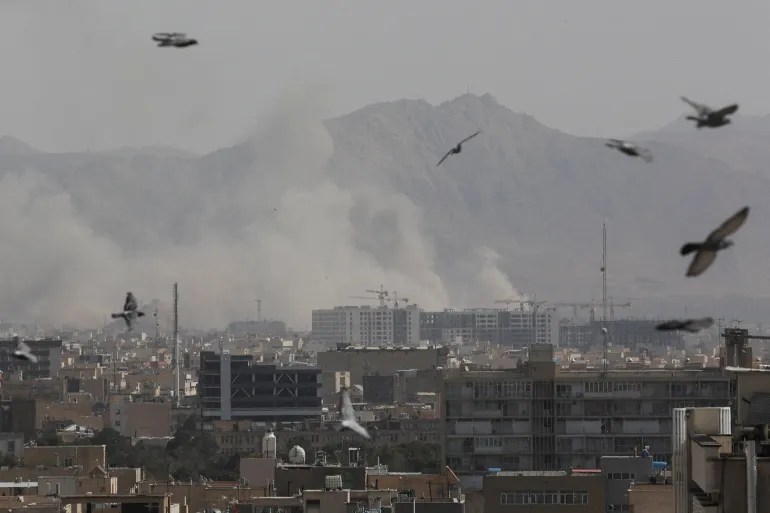
Escalating Conflict Raises Regional Tensions
The war involving the United States, Israel and Iran entered its ninth day on Sunday, with fresh missile and drone attacks reported across the Middle East as the conflict continued to widen.
Despite a recent apology issued by Iranian authorities to neighbouring Gulf countries for earlier attacks, Iranian strikes continued to hit targets across the region, including infrastructure linked to energy and transportation networks.
Reports from the region indicate that drone and missile attacks have affected several Gulf states, intensifying concerns about the war spilling beyond the immediate combat zone.
Trump Rejects UK Military Offer
Amid the escalating conflict, Donald Trump rejected an offer of additional military support from the United Kingdom, saying the United States did not require Britain’s assistance to defeat Iran.
The remarks followed indications that Britain had been considering deploying naval assets, including aircraft carriers, to the Middle East in support of allied operations.
Trump criticised the timing of the proposed assistance, suggesting the United States had already gained a strategic advantage in the conflict.
The comments have added strain to diplomatic exchanges between Washington and London over the handling of the war.
Iran Issues Apology but Strikes Continue
Iranian leaders recently apologised to Gulf neighbours after some of the country’s retaliatory attacks hit areas within their territories.
However, despite the apology, Iranian strikes reportedly continued in parts of the Gulf region, including attacks on strategic facilities and airports, raising fears of a broader regional confrontation.
Tehran has maintained that its actions are primarily aimed at military targets linked to U.S. forces and allied operations in the region.
Growing Global Concerns
The conflict, which began after a series of coordinated strikes between Israel and Iran and later involved the United States, has triggered widespread international concern.
Several countries have called for de-escalation as missile exchanges, drone attacks and air strikes intensify across the Middle East.
The war has also begun to affect global markets, particularly energy prices, as disruptions to supply routes and infrastructure raise fears of prolonged instability in the region.
Regional and Global Implications
Analysts warn that if the conflict continues to expand, it could destabilise the wider Middle East and disrupt global energy supplies given the region’s importance to international oil markets.
Diplomatic efforts are ongoing in several capitals to prevent the war from escalating into a broader regional confrontation involving additional countries.