
House of Reps Says NNPC’s Stake in Dangote Refinery Safeguards National Interest
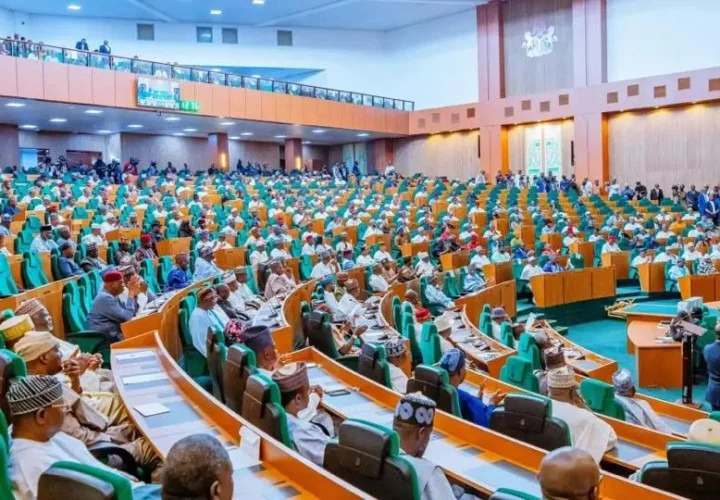
Abuja, Nigeria — The House of Representatives has affirmed that the 7.25 per cent equity stake held by the Nigerian National Petroleum Company Limited (NNPC) in the Dangote Petroleum Refinery & Petrochemicals represents a strategic safeguard of Nigeria’s economic and energy interests, lawmakers said in Abuja on Friday.
Deputy Spokesman of the House, Philip Agbese, told journalists that the partnership between the national oil company and the Dangote refinery underscores a broader shift towards public‑private collaboration in the energy sector. According to him, NNPC’s shareholding ensures accountability and national participation in one of Africa’s largest industrial projects.
Embedding Public Interest in Energy Infrastructure
Mr Agbese described the NNPC stake as a mechanism to ensure that the success of the refinery — which has a processing capacity of 650,000 barrels per day — aligns with Nigeria’s broader energy and economic objectives. He said the arrangement promotes transparency and positions the national oil company to benefit from the refinery’s commercial operations.
“When the national oil company retains a 7.25 per cent stake in a strategic asset of this magnitude, it ensures that national interest is embedded in its success,” the lawmaker stated, emphasising that the presence of a public shareholder helps anchor the venture within Nigeria’s developmental priorities.
From Dependence to Domestic Refining Capacity
The Dangote facility in the Lagos Free Trade Zone has become a focal point in Nigeria’s efforts to end chronic fuel importation and strengthen energy security. Built to refine crude into products such as petrol, diesel and aviation fuel, the refinery’s operations have already begun to ease long‑standing shortages and reduce the need for foreign fuel shipments.
While NNPC’s share is a minority interest, lawmakers argue it symbolises a deliberate policy direction away from exclusive state control towards partnerships that leverage private capital and technical expertise alongside public interest safeguards. This approach, they maintain, can deepen energy sector reforms and spur broader economic activity.
Policy and Oversight Support
In making their case, Members of the House reiterated the legislature’s commitment to oversight of energy sector projects, including monitoring implementation of the Petroleum Industry Act (PIA) and other regulatory frameworks governing joint ventures and public shareholdings. Lawmakers said such oversight will help prevent opacity and ensure that strategic assets continue to benefit Nigerians.
Critics have previously highlighted issues around the nature of NNPC’s stake and broader sector governance, including debates about its original shareholding arrangements and negotiations. However, the House’s recent position affirms confidence that the current structure protects national interest while enabling the Dangote refinery to operate at full commercial potential.
As Nigeria continues its push to become self‑sufficient in refined petroleum products, lawmakers said they will maintain robust engagement with regulators, industry stakeholders and investors to ensure public value is realised from strategic energy infrastructure.